
Direct answer: A dependable comparison starts by separating the equipment from the service wrapped around it. The real benefit is dependable access to drinking water with less staff handling, a clearer service process and equipment matched to the way the workplace operates.
For this question—What are the advantages of bottleless water coolers for offices?—the answer should be tied to a written service scope rather than a national average presented without assumptions. Water use changes with attendance, climate, shift length, visitors, food service and refill habits. Building access and local route density can also affect timing and price. A useful proposal explains those inputs, identifies exclusions and leaves enough capacity for peak periods without paying for equipment the workplace cannot use.
Reduce friction around drinking water
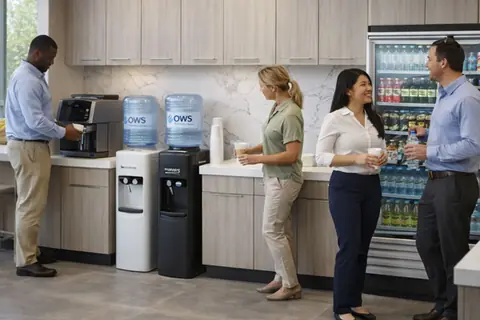
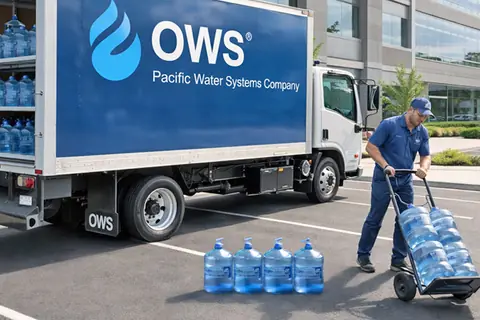
A well-placed cooler or dispenser gives employees a dependable option without repeated store trips, ad hoc case purchases or empty refrigerator space. Bottleless systems can reduce bottle handling and storage; scheduled bottled delivery can serve buildings where plumbing changes are impractical. The benefit comes from fitting placement and capacity to the people who will use the equipment, including shifts, visitors and shared tenant areas.
Connect the benefit to measurable operations
Track delivery volume, empty-bottle handling, service calls, downtime and staff feedback before and after a change. Do not promise a productivity or wellness result that the workplace has not measured. A better water program can make access more convenient and responsibilities clearer, but it still needs routine cleaning, prompt issue reporting and realistic placement. Review the program after seasonal staffing or occupancy changes.
Protect the long-term value
Choose a plan that includes the maintenance and support needed to keep the dispenser usable. Confirm filter records, sanitation, replacement parts, route adjustments and the exit process. The answer about switching to bottleless water explains operational tradeoffs, while the complete guide provides a broader decision framework.
A practical decision check
For What are the advantages of bottleless water coolers for offices?, define success before the new program begins. Record current case purchases or deliveries, storage use, bottle handling, dispenser downtime, employee complaints and the staff time spent solving water problems. Choose a small set of measures the workplace can realistically revisit after installation. Convenience and clearer responsibility can be valuable even when a wellness or productivity result is not measured. Avoid attaching an unsupported dollar value to a broad benefit. The useful test is whether access, service reliability and internal workload improved under a total cost the organization understands. Save the accepted scope with invoices and service records so future reviews compare actual performance with the promises used to make the decision.