Direct answer: A buyer gets a clearer answer by pricing the complete operating requirement instead of one advertised number. Equipment should be selected around peak demand, available space, inlet water conditions, desired temperature options, filtration goals and the service plan.
For this question—What types of bottleless water coolers are available for offices?—the answer should be tied to a written service scope rather than a national average presented without assumptions. Water use changes with attendance, climate, shift length, visitors, food service and refill habits. Building access and local route density can also affect timing and price. A useful proposal explains those inputs, identifies exclusions and leaves enough capacity for peak periods without paying for equipment the workplace cannot use.
Match capacity and placement
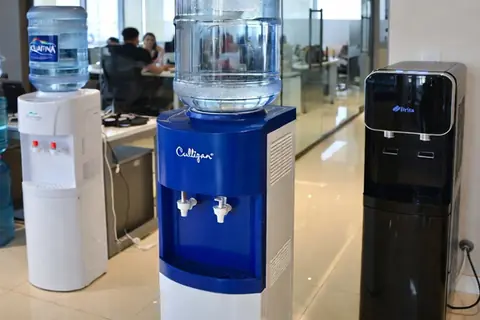
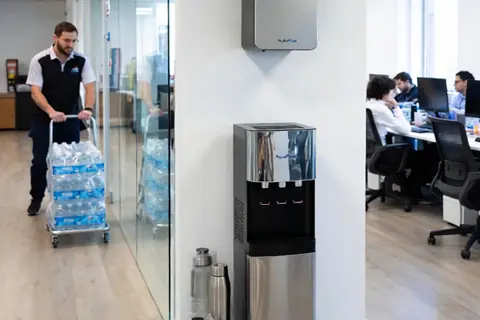
Count people by shift and map where they work before choosing a unit. One high-capacity dispenser near a break room may work for a compact office, while a larger floor, warehouse or multi-building operation may need several points of use. Recovery rate, reservoir size, dispensing speed and hot-water demand matter during peak periods. Countertop, floor-standing, bottled and plumbed-in units solve different space and handling constraints.
Choose treatment for a defined concern
Sediment, activated carbon, reverse osmosis and ultraviolet treatment perform different functions. Request the proposed filter sequence, performance documentation, replacement intervals and the reason each stage is included. A generic claim that water is purified does not identify which substances are addressed. Building water conditions, taste preferences, plumbing and local requirements should guide the configuration, with qualified testing used when a specific contaminant is a concern.
Review the complete equipment plan
Confirm power, water connection, drainage if required, clearance, accessibility, noise, temperature options, safety locks and maintenance access. Ask what equipment is substituted if the quoted model is unavailable. See types of office water systems for a direct comparison and use the water service guide to plan installation and support.
A practical decision check
To answer What types of bottleless water coolers are available for offices? for a real site, request the proposed model, rated capacity, dispensing temperatures, dimensions, electrical needs, inlet and drain requirements, filter part numbers and replacement interval. Compare those specifications with the busiest hour rather than the quietest average. Confirm access for cleaning and service, and ask how the unit signals a filter, leak or fault condition. Equipment should remain supportable for the expected contract term. A technically impressive feature has little value if local technicians, replacement parts or a practical backup are unavailable. Save the accepted scope with invoices and service records so future reviews compare actual performance with the promises used to make the decision.