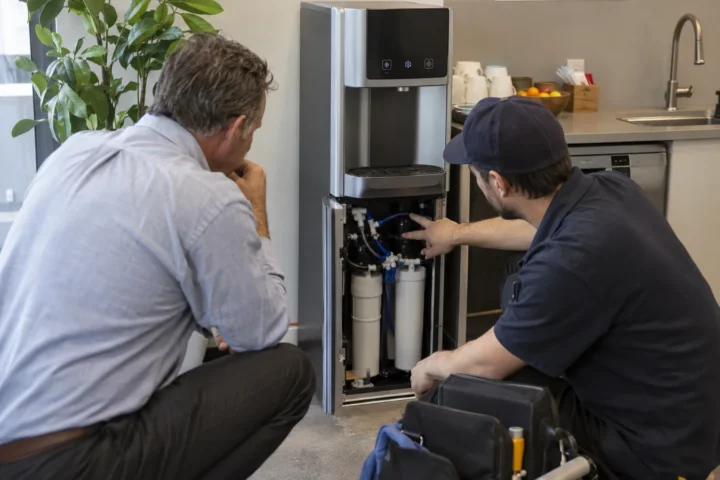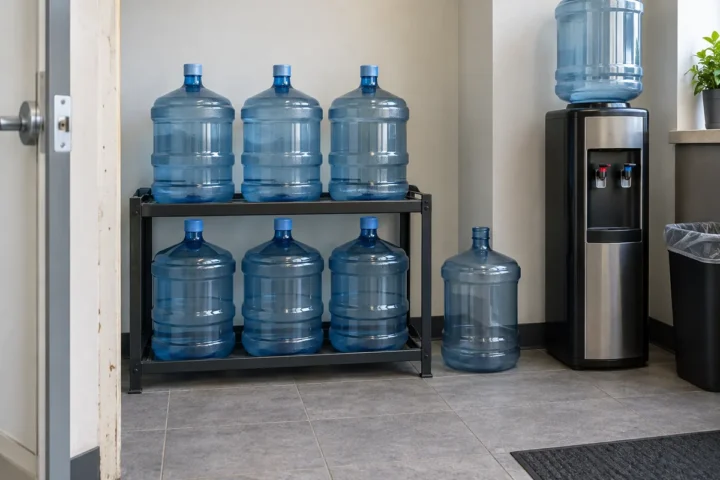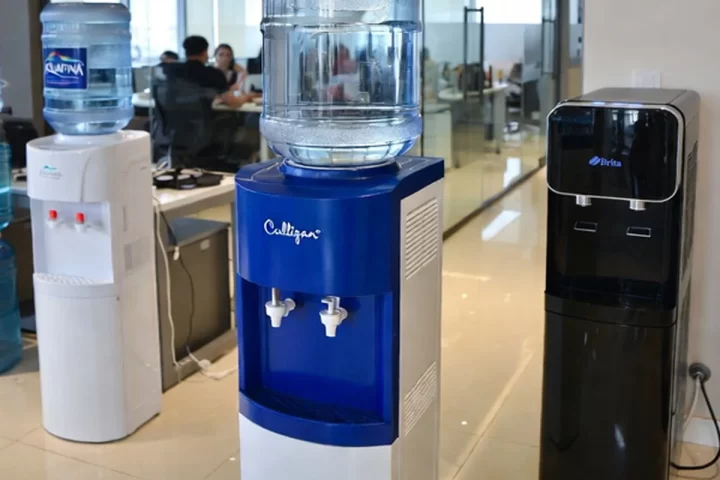
A bottleless cooler needs more than an open corner and a nearby outlet. The cleanest installations start with a short site walk that checks the water source, tubing route, power, drainage risk and the way employees will use the station.
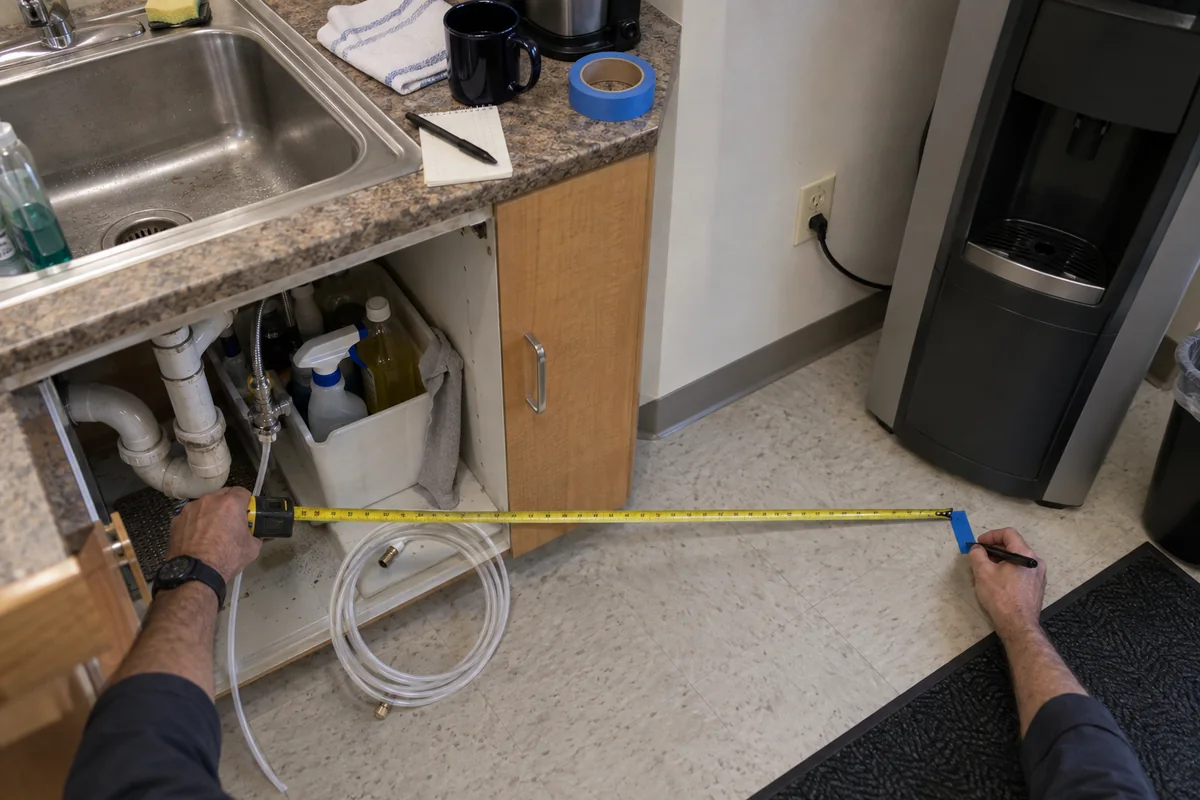
Before you price office water cooler installation, photograph the proposed location and note the distance to a cold-water line. Providers can then flag obvious complications before a technician arrives, instead of discovering them halfway through the visit.
Start with the water connection
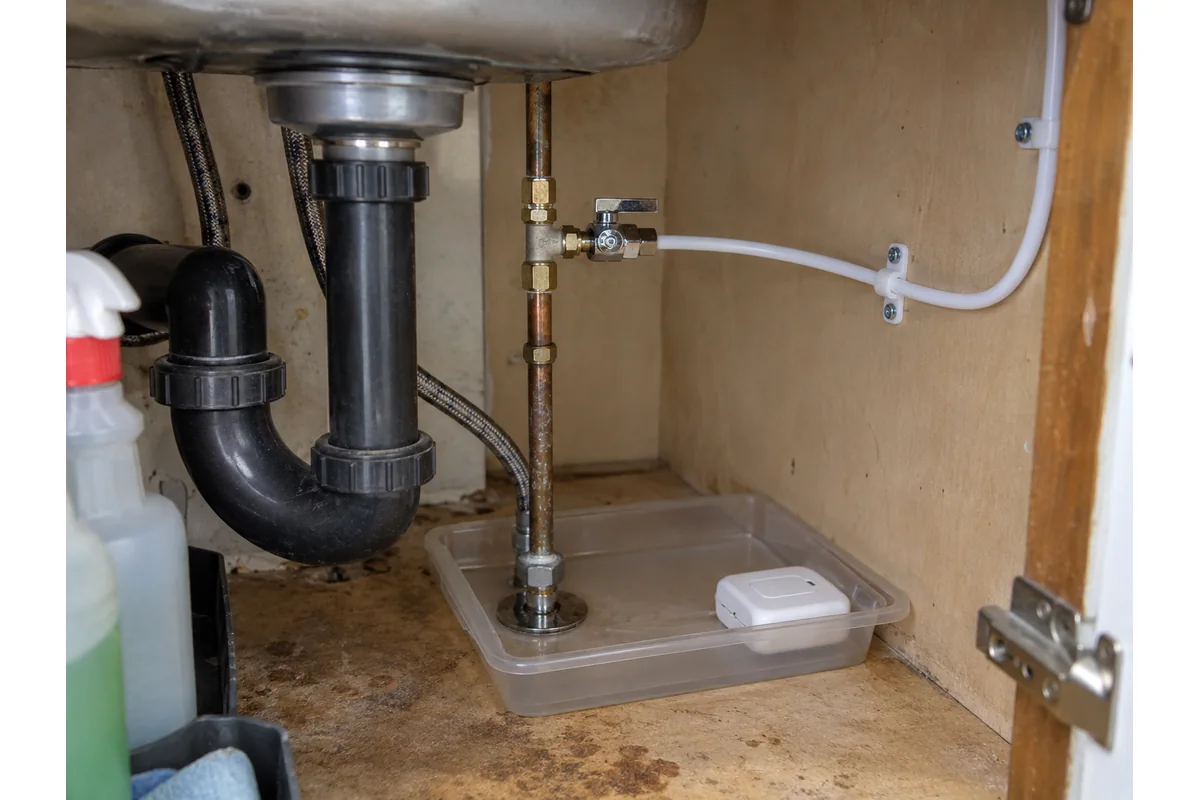
The installer normally needs an accessible cold-water line, a dedicated shutoff and a protected route for food-grade tubing. The route shouldn’t cross a walkway, rest against sharp edges or disappear where a future leak would be hard to spot. If the cooler is far from a sink or utility room, ask how the line will be secured and inspected.
Check power, clearance and daily traffic
Hot-and-cold models need the correct grounded outlet within reach of the factory cord. Extension cords aren’t a planning solution. Leave enough space for ventilation, filter access and removal of the drip tray. Then watch how people move through the room: a cooler beside a doorway can create a bottleneck even when it technically fits.
The bottleless installation requirements answer covers the basic building questions. For larger offices, use the water cooler capacity guide before choosing locations. Two well-placed stations can work better than one high-capacity unit hidden at the far end of the floor.
Include the proposed location, employee count and desired water options when you compare cooler installation quotes.
What should happen on installation day?
- Confirm the approved location. The technician should verify the line route, outlet and service clearance before drilling or connecting anything.
- Install a controlled branch. The cooler line needs a dedicated shutoff so the unit can be isolated without interrupting the whole sink or break room.
- Flush and inspect the system. New filters and tubing should be flushed according to the equipment instructions, with every connection checked for leaks.
- Review use and service. Staff should know which taps deliver hot or cold water, what indicator lights mean and whom to call if the unit leaks or stops dispensing.
Does every office need the same preparation?
No. A small break room beside a sink is different from a warehouse floor, clinic corridor or multi-tenant suite. Building rules, after-hours access and landlord approval may affect the job. Office Water Service’s service-area pages help buyers bring local location details into the quote request, while the office water service overview helps define the equipment and service scope first.