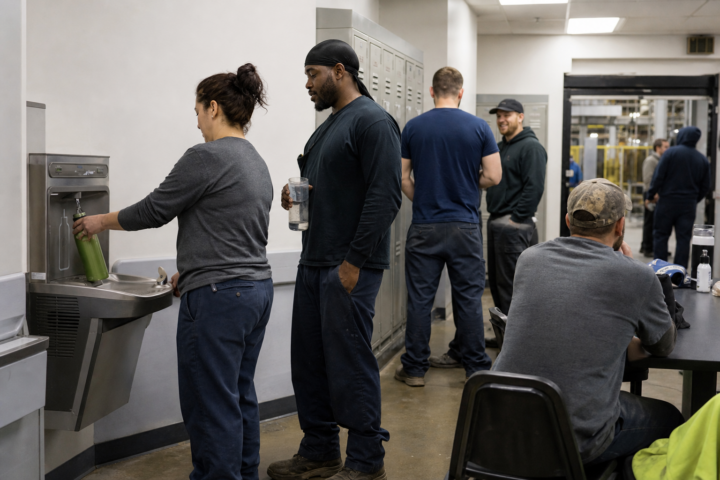
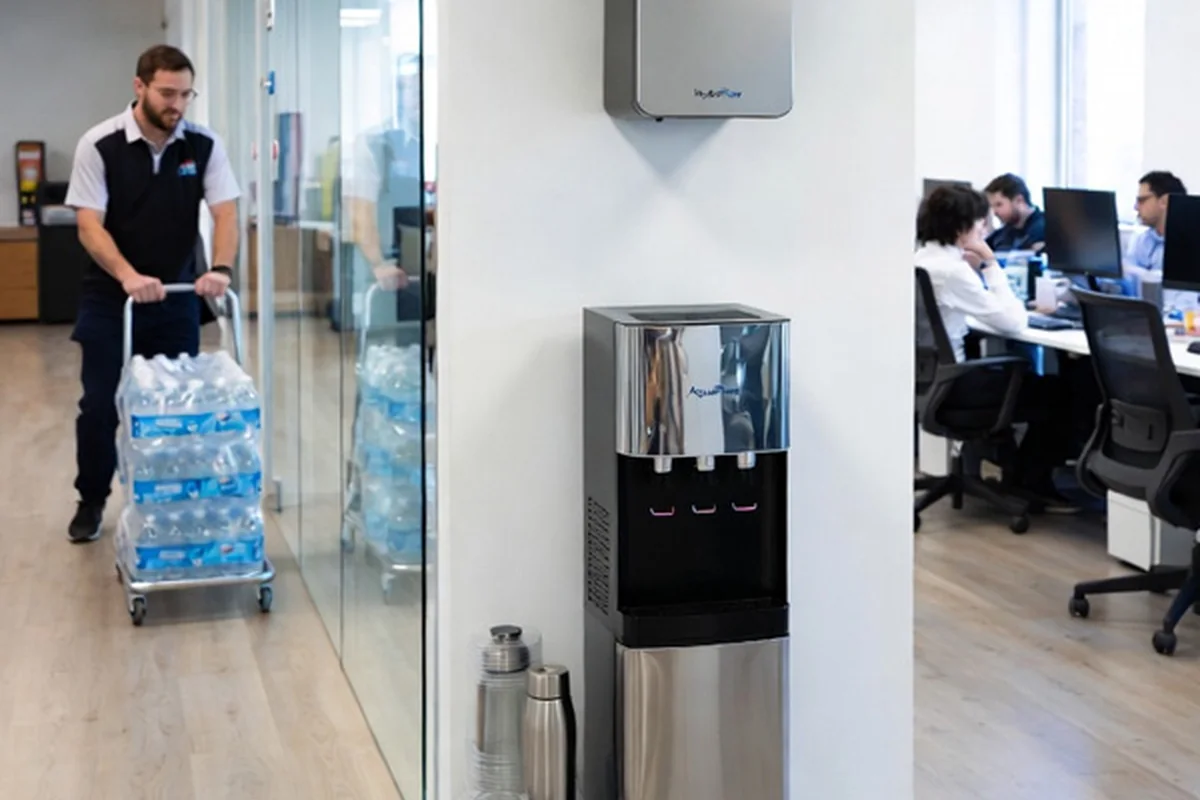
Warehouse and manufacturing water service cannot be planned like a quiet ten-person office. Headcount may change by shift, employees can be spread across a large floor, break periods are concentrated, and equipment may operate around dust, heat, vibration or vehicle traffic. The water plan should support convenient access while respecting sanitation, safety and production requirements.
A durable dispenser is only one part of the solution. Placement, protection, refill speed, cleaning ownership and backup access determine whether the system works during a real shift. For the broad purchasing framework, use the office water service guide and the separate water delivery pricing guide.
Industrial workplaces create different requirements
Shift changes create sharp demand peaks
A station that works during normal production may become congested at scheduled breaks. Review population by shift and the amount employees commonly fill at one time.
Distance changes actual access
A single station near the office may not serve employees in a large production or receiving area. Walking routes, restricted zones and personal-protective-equipment rules affect practical placement.
The environment affects equipment
Dust, heat, washdown practices, forklift traffic and uneven floors can influence location and protection. Equipment should not obstruct egress, material flow or sanitation zones.
Downtime has a larger consequence
When a site relies on one drinking-water point, a failed cooler or missed delivery affects an entire shift. A backup plan may be more important than premium features.
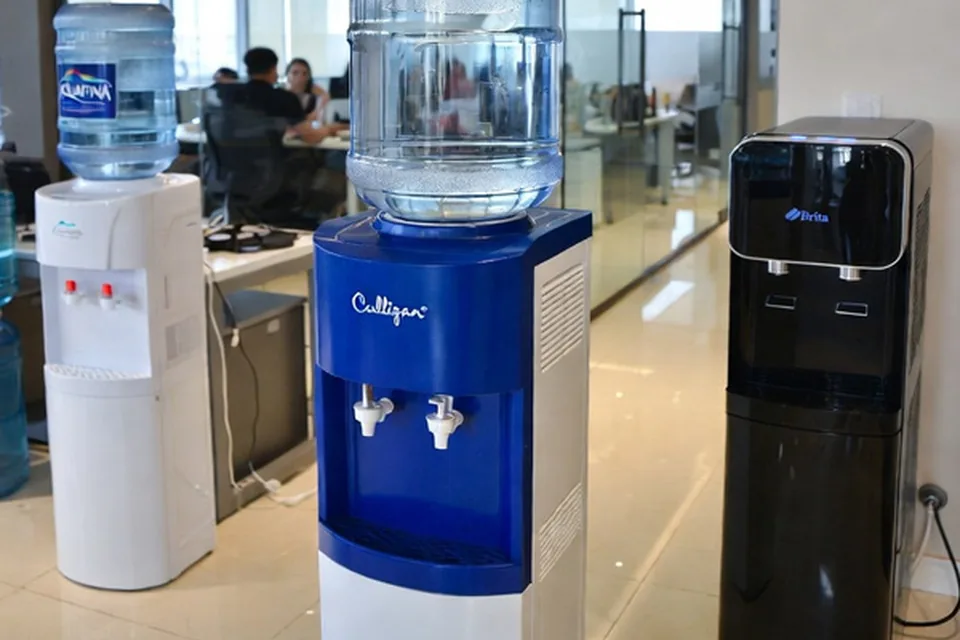
Design service by operating zone
- Break rooms: Higher-capacity chilled water and bottle filling for concentrated use.
- Production floor: Protected placement, simple controls and a cleaning plan appropriate to the environment.
- Shipping and receiving: Access that does not conflict with vehicle routes or staged material.
- Office and visitor areas: Quieter equipment and a different appearance or feature set than production zones.
A practical planning checklist
- Count onsite workers and contractors by shift, not payroll total.
- Map safe walking routes and controlled production areas.
- Identify environmental exposure at each proposed location.
- Confirm capacity for simultaneous bottle filling during breaks.
- Define cleaning responsibility for each zone.
- Document a backup source or replacement response for outages.
A typical mismatch is using one small office-style cooler for a large second shift because daytime headcount looked modest during the site survey. Survey every shift or use reliable staffing data before sizing equipment.
Questions to ask before signing a service agreement
- What capacity supports the largest shift break?
- Is the equipment suitable for the proposed environment?
- How will tubing or bottles be protected from traffic?
- Who cleans stations in production zones?
- What backup is available during an outage?
- Can service visits be coordinated with operating schedules?
A useful proposal should state the equipment, installation work, filter or bottle schedule, preventive service, response process, term, price changes and end-of-agreement responsibilities. Compare each provider against the same written scope. That is more reliable than comparing a promotional monthly number with an incomplete list of inclusions.
Frequently asked questions
Are bottleless coolers suitable for warehouses?
They can be when water access, protection, capacity, sanitation and service conditions are appropriate. Some remote or temporary zones may still favor bottled service.
How should shift work affect sizing?
Use the largest simultaneous-use period, not only total daily consumption. Multiple stations may reduce lines and walking time.
Can a cooler be placed on the production floor?
Possibly, subject to site safety, sanitation, electrical, plumbing and traffic requirements. Facilities and safety teams should approve the location.
The next step
Survey the facility during representative operations and give providers a zone-by-zone requirement instead of a single total headcount. When the requirements are clear, compare office water service prices using the same facts for every option. You can also browse the office water FAQ center for focused answers about installation, filtration and ongoing service.